What Is Decentralization
Decentralization refers to distributing control, responsibility, and decision-making among many independent participants rather than placing authority in a single central entity. In a decentralized system, power is shared among multiple actors who operate independently but follow common rules.
In traditional centralized systems, one organization, government, or authority controls decisions and resources. In contrast, decentralized systems spread authority across a network of participants, reducing reliance on a single controlling body.
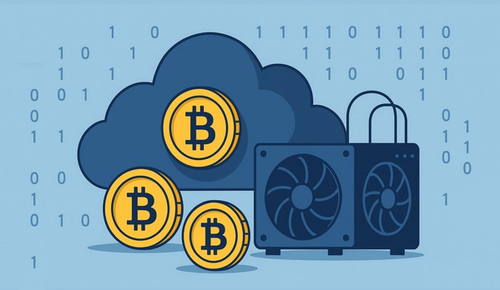
This concept is widely used in technology, governance, and finance. In blockchain networks and cryptocurrencies such as Bitcoin and Ethereum, decentralization means that transactions, data, and system rules are maintained by many independent nodes rather than a central company or institution.
By distributing control across a network, decentralized systems aim to increase transparency, security, and resilience while limiting the risks associated with central control.
Decentralization in Blockchain
Blockchain technology is one of the clearest examples of decentralization in practice. Well-known blockchain networks are not held by a single company, government, or central authority. Instead, the network is maintained by many independent computers, known as nodes, that work together to validate and record transactions.
Each node keeps a copy of the distributed ledger, which contains the full history of transactions on the blockchain. When a new transaction occurs, it is verified by the network through a consensus mechanism before it is added to the blockchain. Because many independent participants verify the same data, no single party can easily alter the records or control the system.
This decentralized structure helps blockchain networks remain transparent, secure, and resistant to censorship. It also allows cryptocurrencies and digital assets to operate without relying on traditional financial intermediaries such as banks or payment processors.
Types of Decentralization
Decentralization can appear in different forms depending on how control, decision-making, and resources are distributed within a system. The most common types of decentralization include:
- Political decentralization: The transfer of decision-making power from a central government to regional or local authorities. Local governments gain greater control over policies, public services, and governance, allowing decisions to be made closer to the people affected.
- Administrative decentralization: The distribution of management responsibilities across departments, institutions, or regional offices. Instead of a single central authority handling all operations, responsibilities are divided among multiple units to improve efficiency and local decision-making.
- Fiscal decentralization: the transfer of authority over budgets, taxation, and public spending to local governments. This allows regions or municipalities to allocate financial resources based on local economic conditions and priorities.
- Technological decentralization: The distributed digital systems, such as blockchain networks. In decentralized technologies, data and system control are maintained by many independent computers rather than a central server. Many cryptocurrencies use decentralized networks where nodes validate transactions and maintain the distributed ledger.
- Organizational decentralization: The distribution of authority across different levels of an organization. Instead of all decisions coming from top leadership, managers and teams are given more autonomy to make operational decisions within their areas of responsibility.
Importance of Decentralization
Decentralization plays an important role in many systems, including blockchain networks, financial systems, and government structures. By distributing control across many participants instead of concentrating power in one authority, decentralized systems offer several key benefits:
- Resilience: Decentralized systems are more resistant to failure because control and resources are distributed across a network. If one node, server, or participant fails, the rest of the system can continue operating. This reduces the risk of a single point of failure.
- Transparency: Many decentralized systems operate on open networks where transactions and data are visible to participants. In blockchain networks, for example, every transaction is recorded on a public, distributed ledger that anyone can verify.
- Trust Reduction: Decentralization reduces the need to trust a single governing entity. Instead of relying on one organization or intermediary, participants rely on transparent rules, cryptographic verification, and network consensus to maintain the system.
- Innovation and Open Access: Decentralized networks allow developers and participants to build applications and services without needing approval from a central authority. This open structure has helped drive innovation in areas such as cryptocurrencies, decentralized finance (DeFi), and blockchain applications.
Advantages of Decentralization
Decentralized systems offer several important benefits, especially in areas such as blockchain networks, cryptocurrencies, and distributed technologies.
- Higher security: Decentralized networks reduce the risk of a single point of failure. Because control and data are distributed across many nodes, it is much harder for attackers to compromise the entire system or shut it down.
- Reduced central control: Decentralization prevents power from being concentrated in one organization or authority. Decision-making is distributed among many participants, which reduces the risk of abuse, censorship, or monopolistic control.
- Improved efficiency in distributed networks: Tasks can be handled by multiple participants across the network rather than relying on a single central server. In blockchain systems, for example, transactions are validated by a network of nodes rather than by a central processor.
- Greater accessibility: Decentralized technologies often allow anyone with internet access to participate. This open access has helped expand financial services through cryptocurrencies, DeFi, and peer-to-peer networks.
Disadvantages of Decentralization
Despite its benefits, decentralization also introduces challenges that can affect how systems operate and scale.
- Coordination challenges: When many independent participants are involved, reaching an agreement and coordinating decisions can take longer. Governance in decentralized networks often requires consensus among stakeholders.
- Scalability limitations: Some decentralized blockchain networks process transactions more slowly than centralized systems because every transaction must be verified by multiple nodes across the network.
- Regulatory uncertainty: Decentralized technologies such as cryptocurrencies and DeFi platforms often operate across global networks, creating legal and regulatory uncertainty across different jurisdictions.
- Limited accountability: In decentralized systems, responsibility is distributed among many participants. Without a central authority, resolving disputes or enforcing rules can sometimes be more complex.
Decentralization vs Centralization
Centralization and decentralization represent two different ways of organizing control, decision-making, and system management. The main differences between centralized and decentralized systems are shown below.
| Feature | Centralized Systems | Decentralized Systems |
|---|---|---|
| Control | Controlled by a single authority or organization | Control distributed across many participants |
| Decision-making | Decisions made by a central authority | Decisions made through network consensus or shared governance |
| Failure risk | Higher risk of a single point of failure | More resilient because control is distributed |
| Transparency | Data and operations controlled by the central entity | Many systems operate on transparent distributed ledgers |
| Examples | Banks, centralized exchanges, government agencies | Bitcoin, Ethereum, decentralized finance (DeFi) networks |

What is Decentralization in Government?
In government, decentralization refers to the transfer of authority, decision-making, and financial resources from a central government to regional or local authorities. Instead of one central administration controlling all policies and services, power is distributed across different levels of government.
This approach allows local governments, municipalities, and regional administrations to make decisions that better reflect the needs of their communities. By bringing governance closer to citizens, decentralization can improve public services, increase political participation, and strengthen local accountability.
However, decentralization also creates challenges. Governments must coordinate policies across national, regional, and local institutions while ensuring that resources are distributed fairly. Differences in funding, infrastructure, and administrative capacity can also affect how effectively local authorities manage their responsibilities.
Successful decentralization requires clearly defined roles between central and local governments, sufficient financial resources, and strong oversight mechanisms. When implemented effectively, decentralized governance can improve efficiency, responsiveness, and public trust in government institutions.